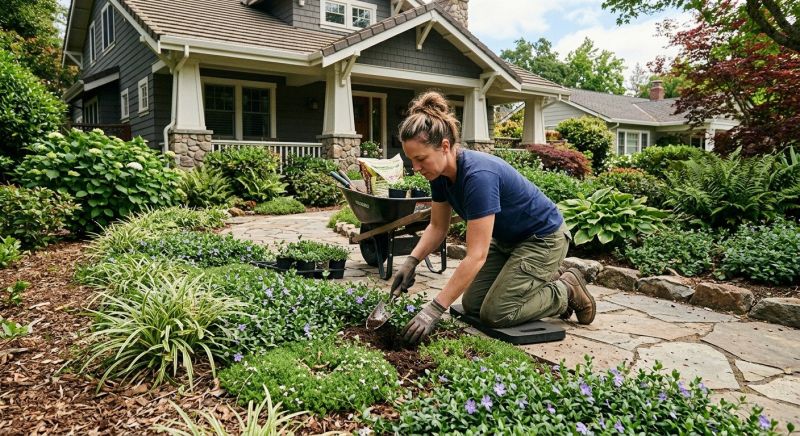
Ground Cover Planting in Honolulu, HI
Ground cover planting services involve selecting and installing low-growing plants that spread across the ground to create a durable, attractive layer of vegetation. These projects often include establishing ground covers in yards, gardens, or landscaped areas to reduce soil erosion, suppress weeds, and add visual interest. Property owners typically seek these services when looking to enhance their outdoor spaces with a low-maintenance solution or to create a lush, uniform appearance across large or difficult-to-mow areas.
Before requesting ground cover planting, homeowners usually want to understand the types of plants suitable for their specific climate and soil conditions, as well as the overall design and layout of the space. It’s helpful to consider how much sunlight the area receives, the level of foot traffic, and the desired aesthetic effect. Clarifying these details can ensure the selected ground cover complements existing landscaping and meets long-term maintenance expectations.
Many property owners in Honolulu, HI look into Ground Cover Planting for repairs, replacements, upgrades, and appearance-related improvements.
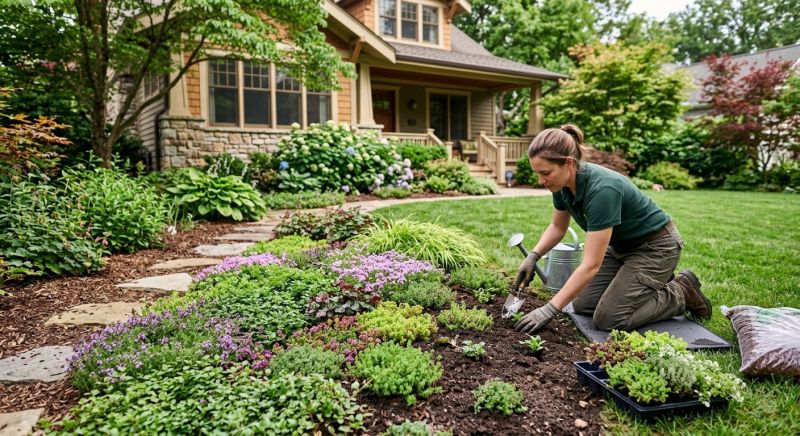
Ground Cover Planting Services
Examples of ground cover planting work property owners may explore in honolulu, hi.
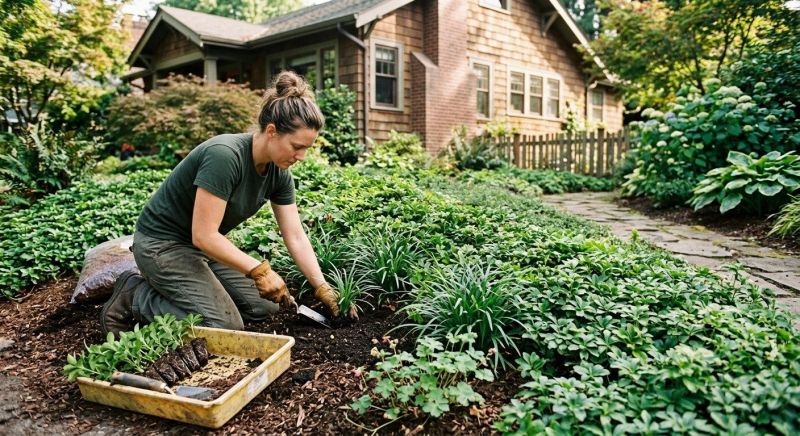
Ground Cover Planting Updates
Common ways people refresh, improve, or restore ground cover planting features in honolulu, hi.

Ground Cover Planting Options
Different styles, layouts, and finishes people consider for ground cover planting in honolulu, hi.
Ground Cover Planting in Honolulu, HI

Ground cover planting services involve selecting and installing low-growing plants that spread across the ground to create a durable, attractive layer of vegetation. These projects often include establishing ground covers in yards, gardens, or landscaped areas to reduce soil erosion, suppress weeds, and add visual interest. Property owners typically seek these services when looking to enhance their outdoor spaces with a low-maintenance solution or to create a lush, uniform appearance across large or difficult-to-mow areas.
Before requesting ground cover planting, homeowners usually want to understand the types of plants suitable for their specific climate and soil conditions, as well as the overall design and layout of the space. It’s helpful to consider how much sunlight the area receives, the level of foot traffic, and the desired aesthetic effect. Clarifying these details can ensure the selected ground cover complements existing landscaping and meets long-term maintenance expectations.
Many property owners in Honolulu, HI look into Ground Cover Planting for repairs, replacements, upgrades, and appearance-related improvements.
Common Ground Cover Planting Jobs
Ground Cover Planting - Adds attractive, low-maintenance greenery to garden beds and landscape areas.
Mulching and Ground Cover Installation - Prevents weeds and helps retain soil moisture for healthy growth.
Shade Ground Cover Plants - Provides ground-level coverage in shaded or partially shaded areas.
Native and Drought-Resistant Ground Cover - Suitable for reducing water use while enhancing landscape appeal.
Erosion Control Ground Cover - Stabilizes soil on slopes and hillside areas to prevent erosion.
Decorative Ground Cover Planting - Creates colorful and textured ground layers for visual interest.
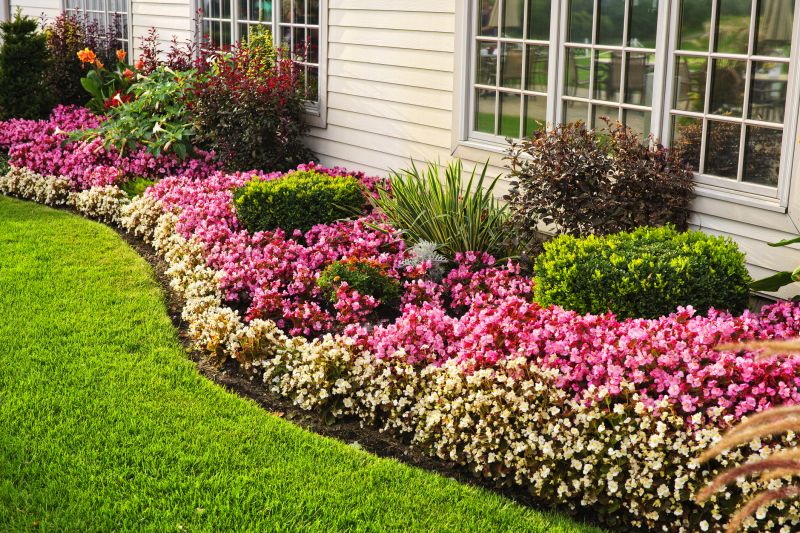
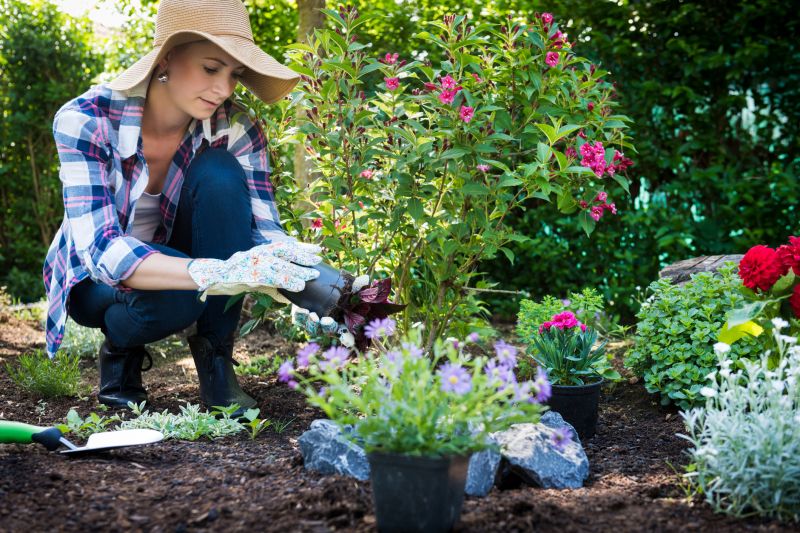

Ground Cover Planting Questions
What is ground cover planting? It involves planting low-growing plants to cover bare soil, reduce erosion, and improve landscape appearance.
What types of plants are used for ground cover? Common options include creeping thyme, sedum, and certain grasses that spread easily and require minimal maintenance.
How does ground cover planting benefit a property? It helps suppress weeds, retains soil moisture, and creates a uniform, attractive ground layer.
Is ground cover suitable for all areas? It works well in many locations, especially where grass may be difficult to grow or maintain consistently.
Request Ground Cover Planting in Honolulu, HI
Use the quote form on this page to share the basics of your project and request more information for the type of work you need.